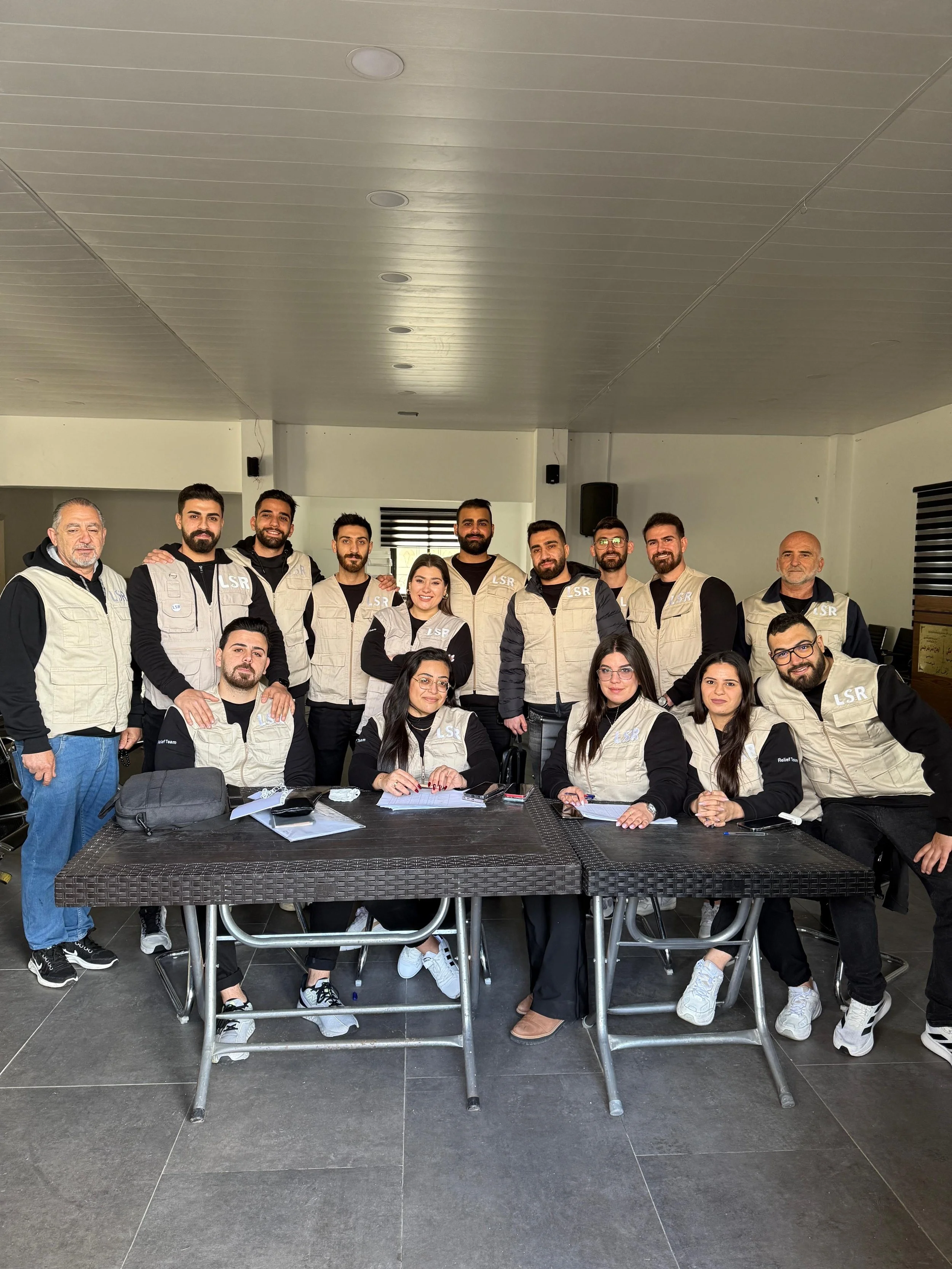
Annual Report 2025
1-EXECUTIVE SUMMARY
In 2025, Lebanese Social Responsibility LSR reached over 92,000 individuals across Lebanon through integrated humanitarian and early recovery interventions addressing food insecurity, protection risks, livelihoods collapse, and youth exclusion amid protracted economic crisis, displacement, and post-war recovery needs.
LSR implemented a multi-sectoral response combining food security, protection (GBV & CP) livelihoods and economic empowerment, youth engagement, and community infrastructure rehabilitation. Interventions prioritized women, children, internally displaced persons (IDPs), war-affected populations, and host communities, with a strong focus on dignity, local ownership, and sustainability.
2-CONTEXT AND HUMANITARIAN NEEDS
Lebanon continued to face overlapping crises in 2025, including:
Severe economic deterioration and inflation
Food insecurity and erosion of household purchasing power
Displacement linked to conflict escalation, particularly in South Lebanon
Increased protection risks for women and children
Limited livelihood opportunities, especially for women and youth
Within this context, LSR focused on life-saving assistance while strengthening community resilience and recovery pathways, aligning its interventions with the humanitarian–development nexus promoted by EU and UN donors.
3-PROGRAMMATIC APPROACH
LSR adopted an integrated, multi-sectoral approach that:
Addressed immediate needs
Created sustainable income and employment opportunities
Strengthened local food systems and cooperatives
Promoted youth leadership and civic engagement
Supported post-war community infrastructure recovery
All programs mainstreamed gender equality, protection, accountability to affected populations (AAP), and localization principles noting that all staff, volunteers, and partners were bound by LSR’s Code of Conduct and Safeguarding Policies, aligned with LSR PSEA policy.
4-CROSS-CUTTING PRIORITIES
All 2025 interventions integrated:
Gender Equality & Women’s Empowerment
Child Protection & GBV Risk Mitigation
Protection from Sexual Exploitation and Abuse (PSEA)
Accountability to Affected Populations (AAP)
Localization & Community Ownership
Conflict Sensitivity & Do No Harm
5-PROTECTION FROM SEXUAL EXPLOITATION AND ABUSE (PSEA)
PSEA was fully mainstreamed across all LSR interventions in 2025 as a core organizational commitment.
Key PSEA Measures Implemented
Zero-tolerance PSEA policy aligned with UN standards
Mandatory PSEA training for staff, volunteers, and frontline workers
Signed Codes of Conduct for all personnel and partners
Confidential and accessible complaint and feedback mechanisms: through our hotline +961 79 358 439
Safe referral pathways for survivors, linked to protection services
Community awareness sessions on rights, expected staff behavior, and reporting options
Outcome: These measures strengthened trust, safety, and accountability, ensuring humanitarian assistance was delivered without exploitation or abuse, particularly for women, children, and other at-risk groups.
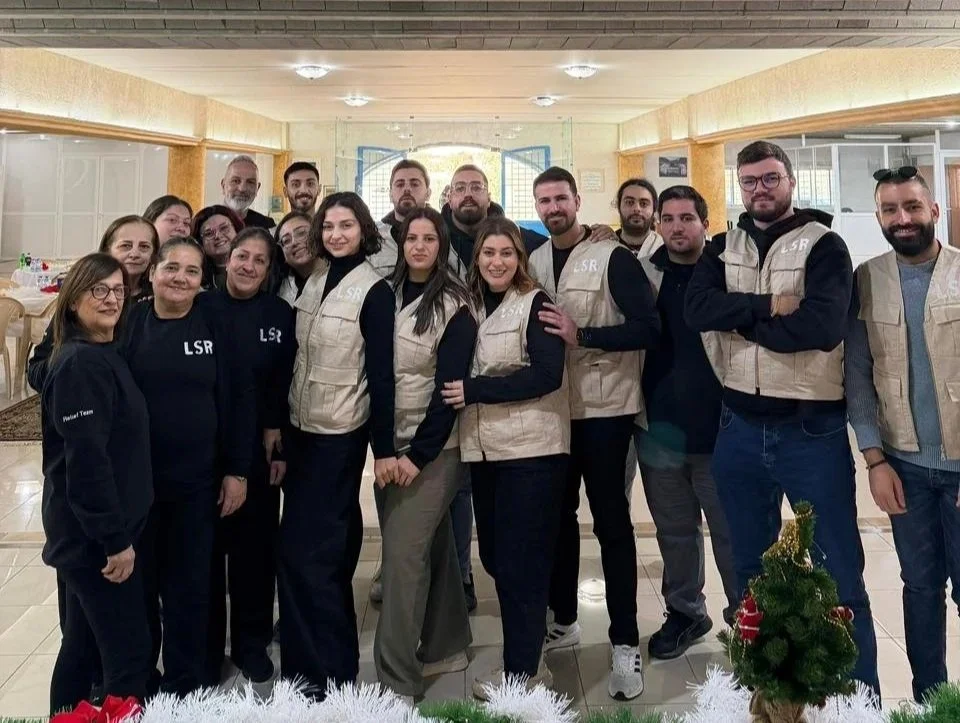
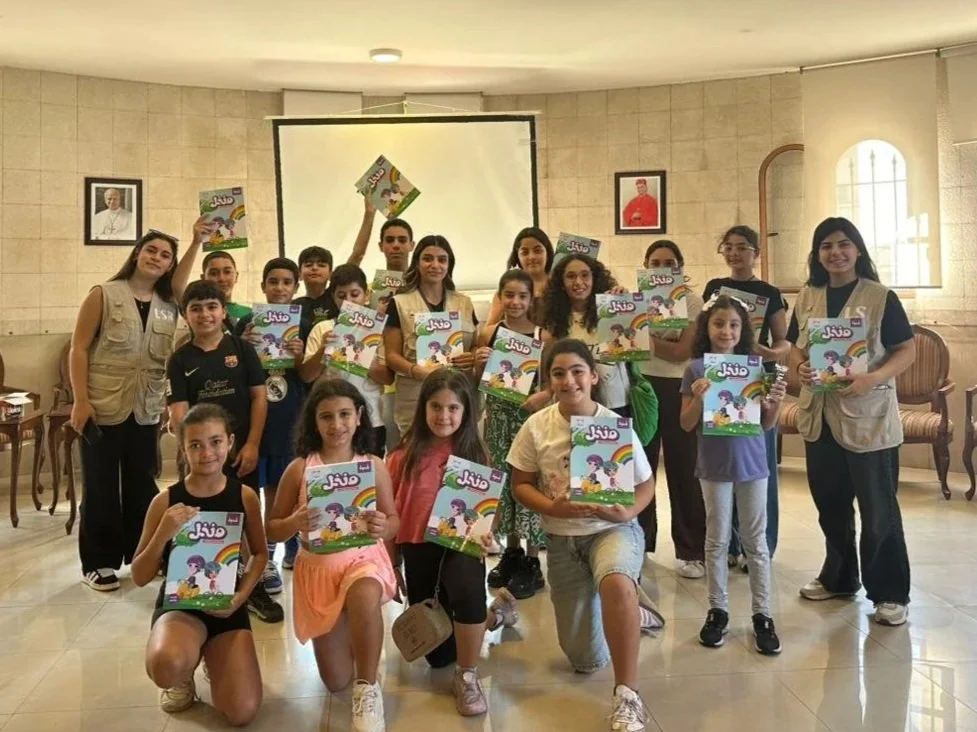
6-SECTORAL RESULTS AND ACHIEVEMENTS
6.1-Food Security & Agriculture
More than 92,500 individuals benefited from LSR’s food security and agriculture interventions, ensuring access to safe, nutritious food while supporting local production systems.
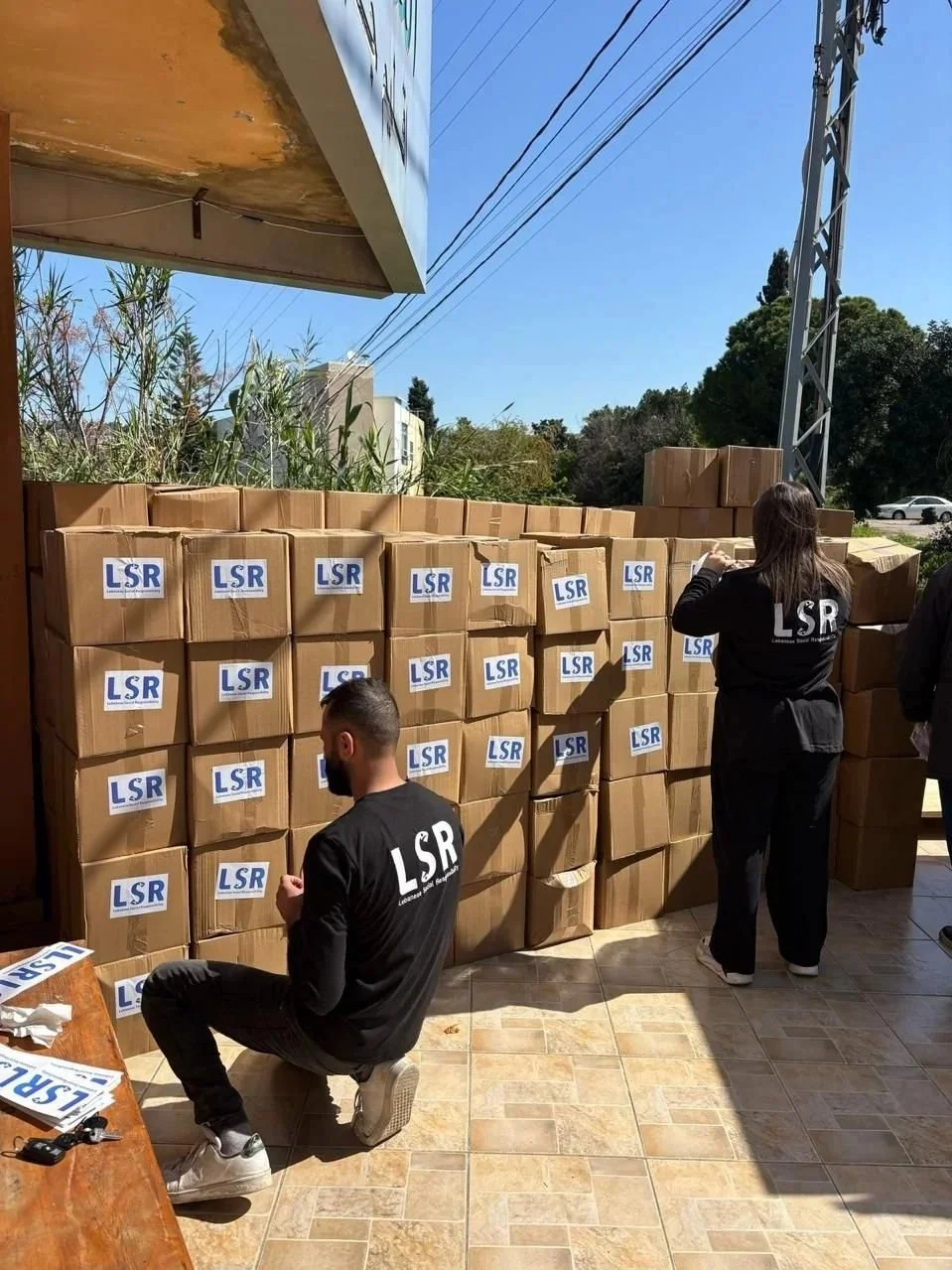
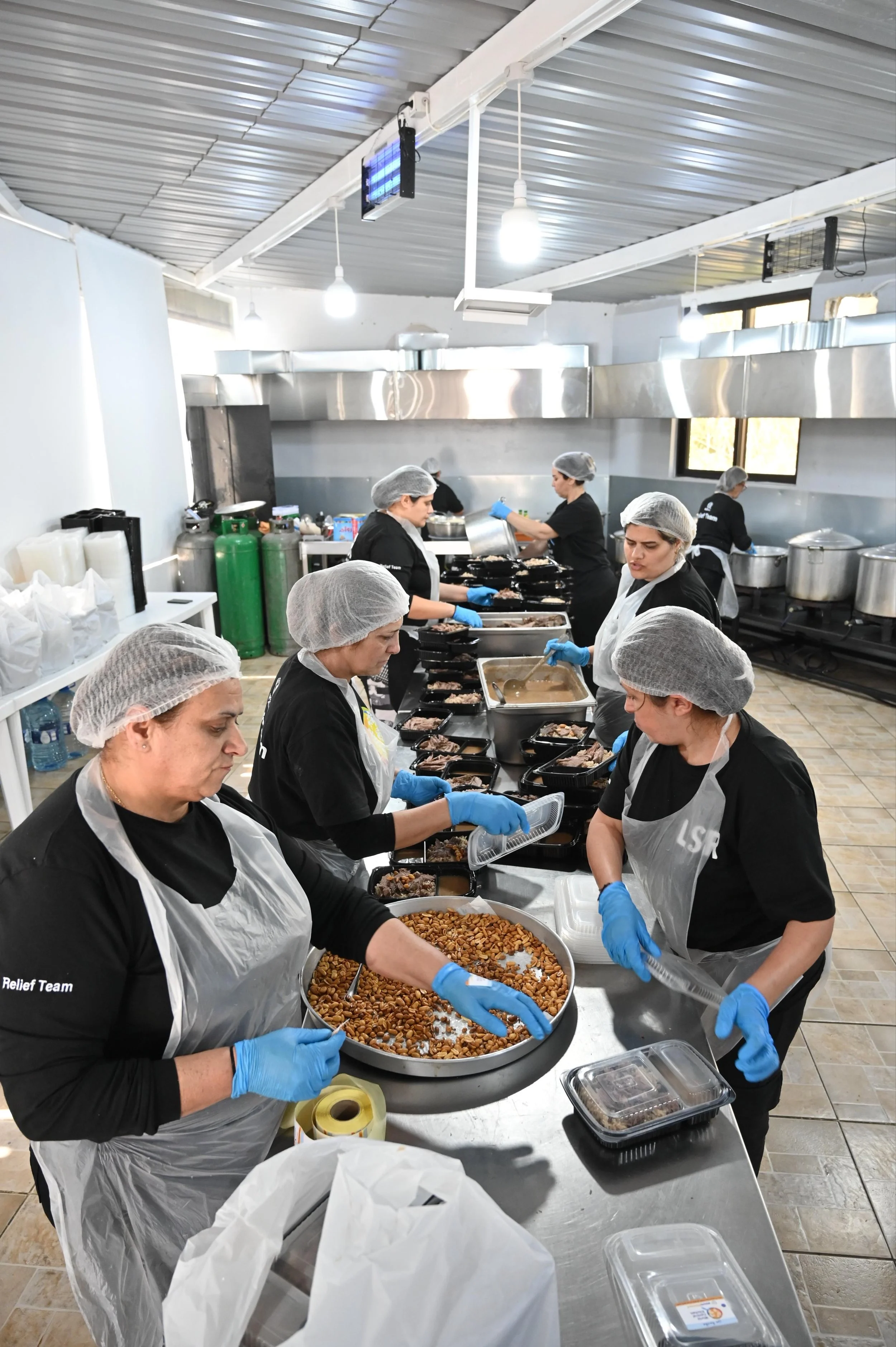
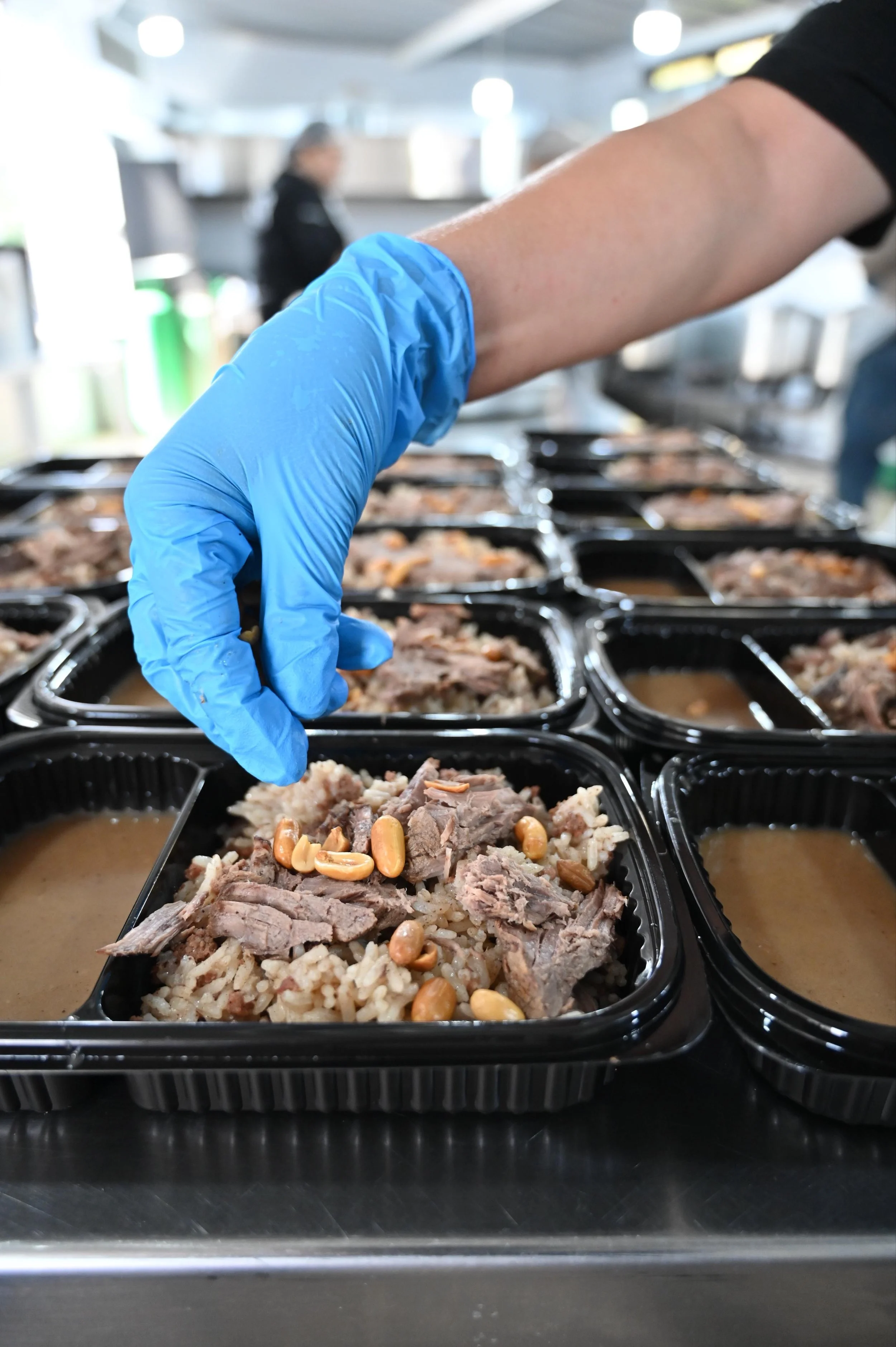
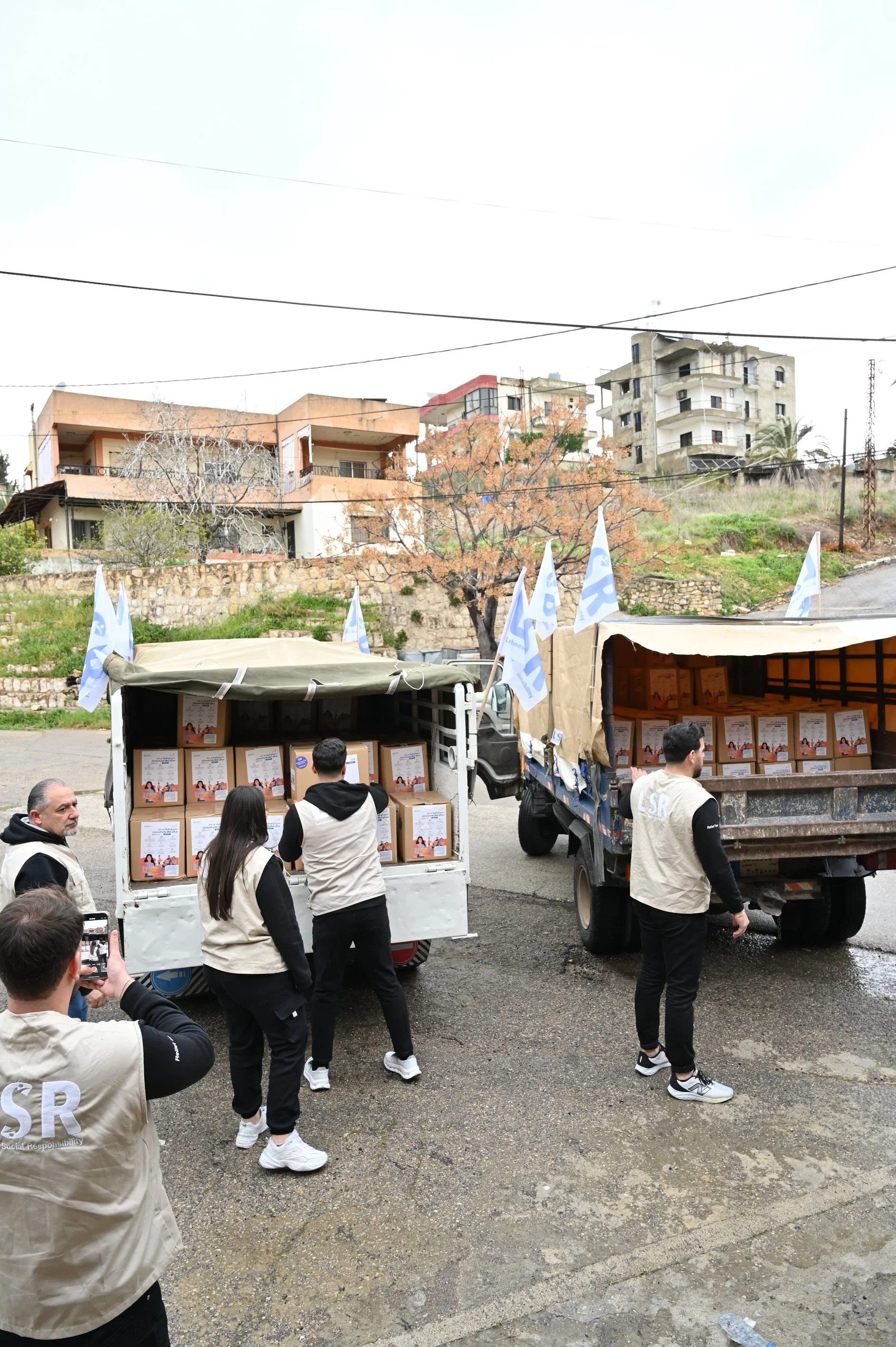
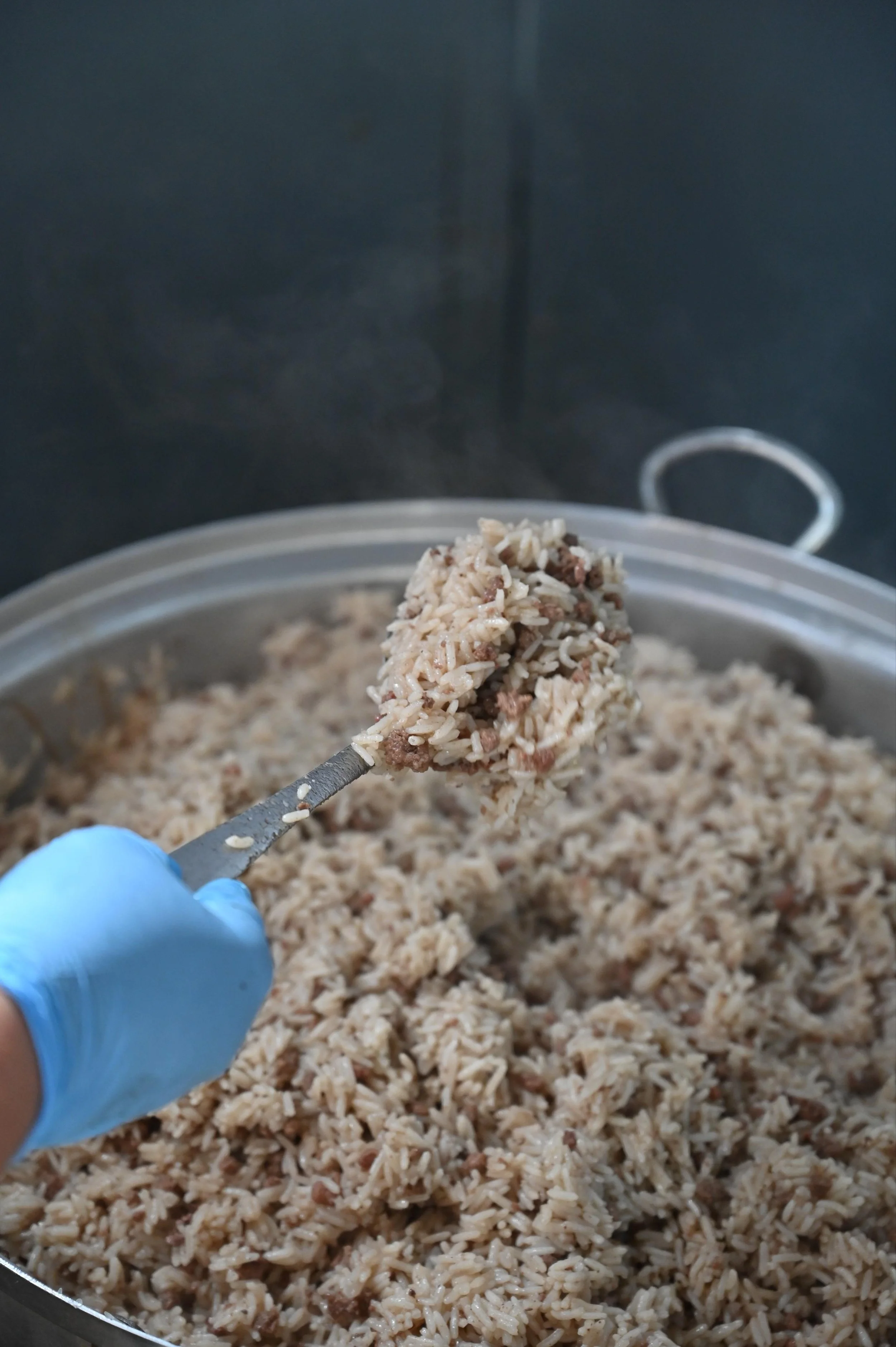
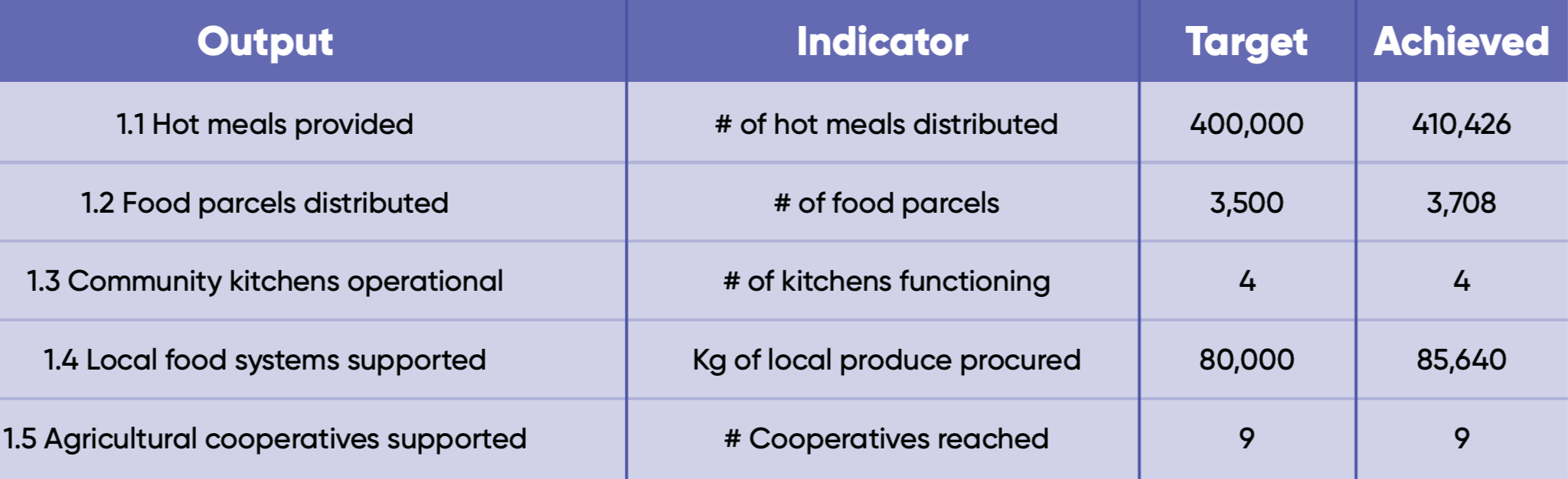
410,426 hot meals delivered through community kitchens operating in Mount Lebanon, North Lebanon, and South Lebanon.
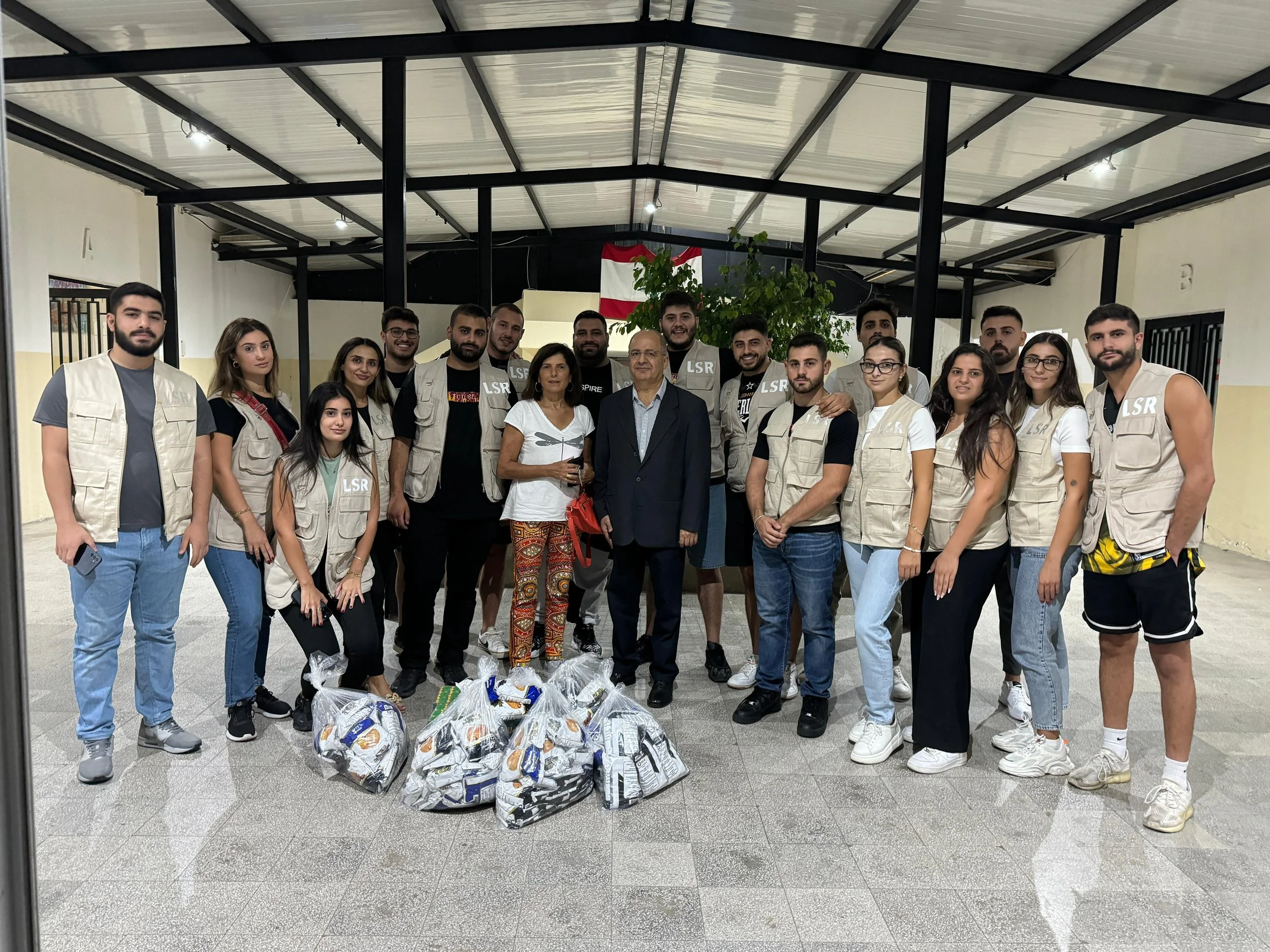
3,708 food parcels distributed to IDPs, host communities, and food-insecure households.
85,640 kg of fresh produce procured locally, supporting farmers and cooperatives and reinforcing short food supply chains.
4 fully operational community kitchens (Amchit, Jbeil Mount Lebanon - Mechan, Jbeil Mount Lebanon - Tripoli, North Lebanon - Souaneh, Marjaayoun South Lebanon), contributing to food access and job creation for women.
Ramadan response reached 5,746 individuals, through:
◦ 172,380 hot meals
◦ 6,000 bread distributions
◦ 675 food parcels
80 households supported with milk assistance (Nestlé Clim Milk) to address nutritional needs.
9 agricultural cooperatives supported across 9 villages in the Jbeil District.
287 women trained in food safety, hygiene, mouneh production, sustainable farming, branding, and marketing, and equipped with production kits.
Key Achievements:
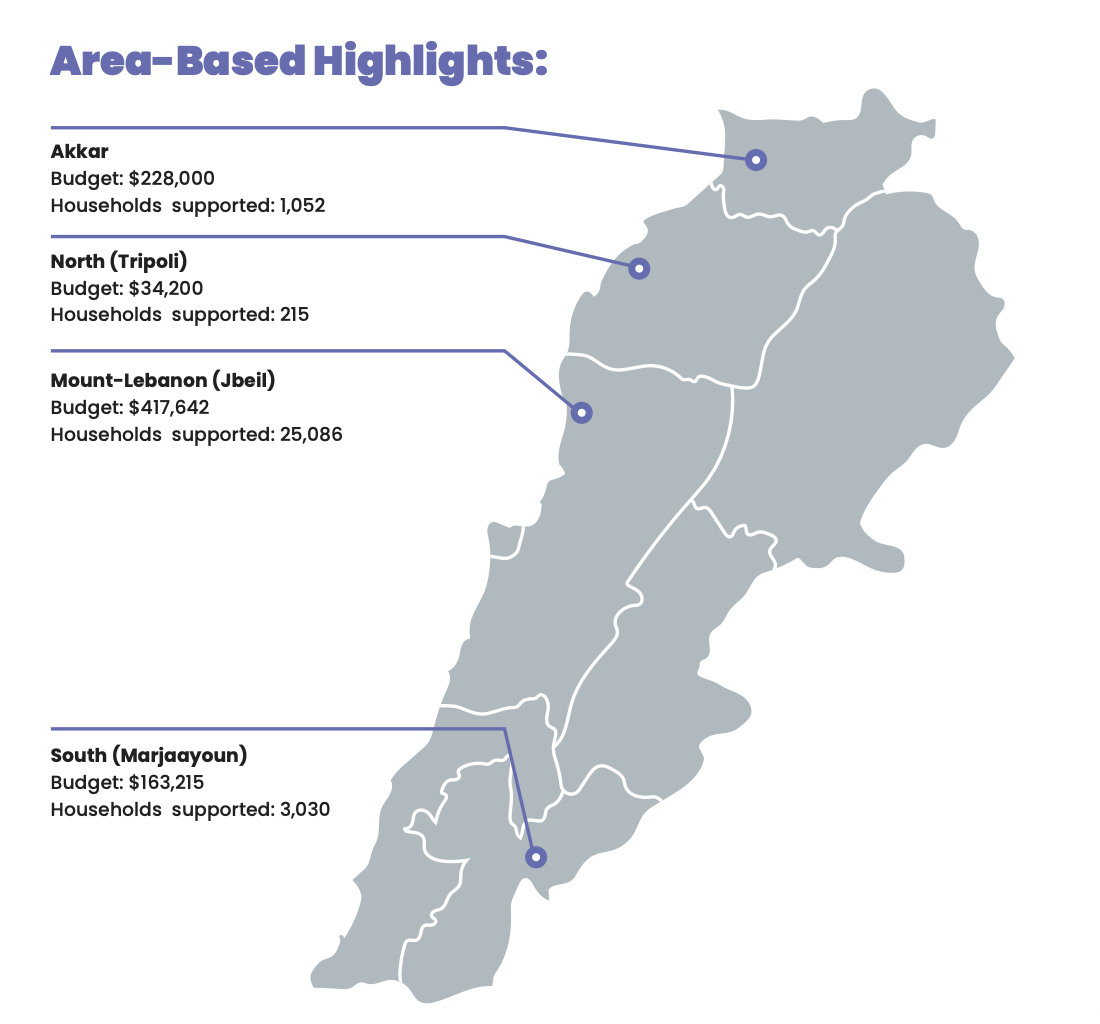
29,383 People supported
$843,057 in grants and in kind assistance managed with full transparency
21 Projects Implemented
643,621 Food Parcels and Hot Meals
350 Livelihoods and Economic empowerment
These interventions strengthened household food security, women’s income generation, and local food systems, while preserving traditional Lebanese food heritage.
Outputs & Indicators: Result 1 – Food Security & Nutrition Improved:
Targeted households have sustained access to safe, nutritious food through community-based mechanisms.
6.2-Protection Gender-Based Violence (GBV) and Child Protection (CP)
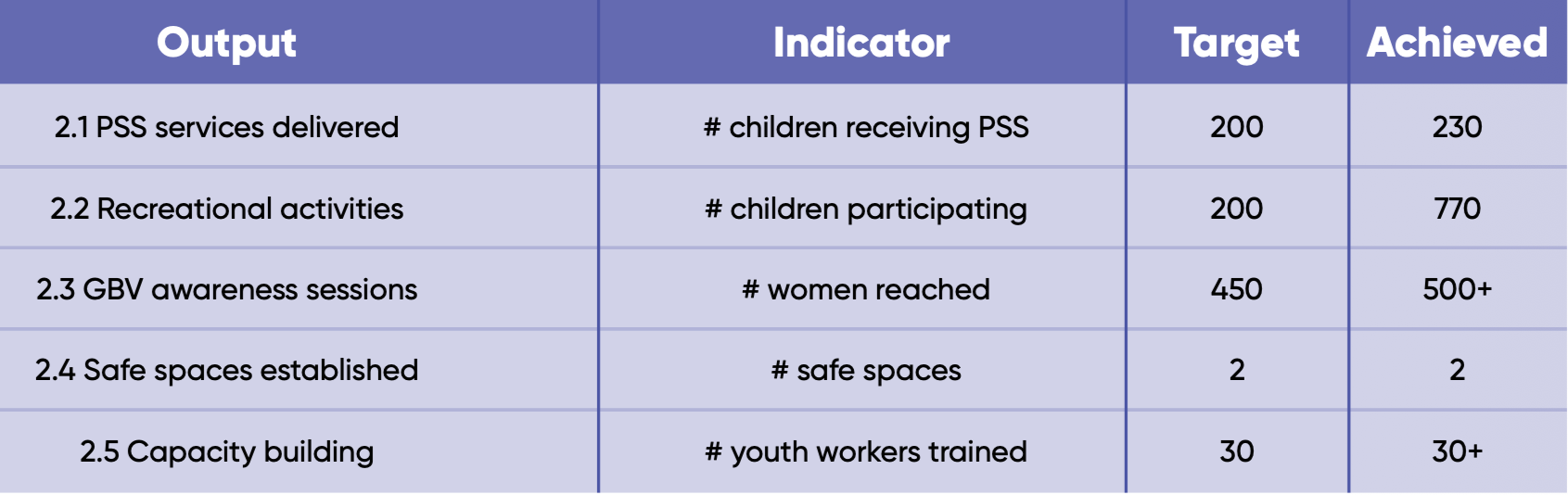
Over 1,000 women and children benefited from protection and GBV-related interventions, enhancing psychosocial wellbeing, safety, and community-based protection mechanisms.
230 children received structured psychosocial support (PSS).
770 children engaged in recreational and play-based therapeutic activities.Signed Codes of Conduct for all personnel and partners.
500+ women accessed GBV awareness sessions and protection support, including IDPs outside collective shelters.Safe referral pathways for survivors, linked to protection services
2 safe spaces established for women and children, providing integrated PSS and empowerment activities.
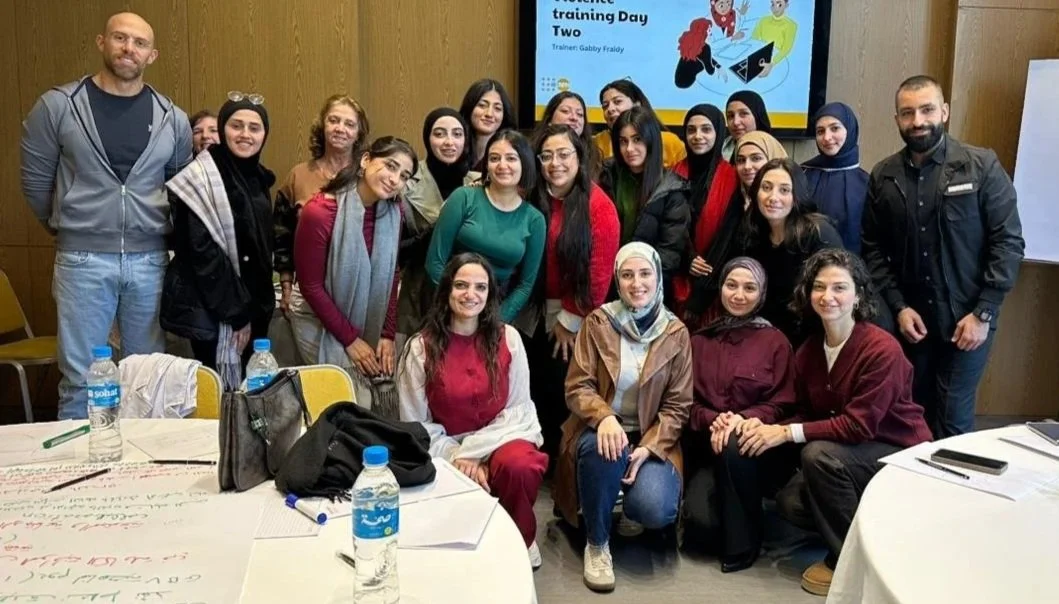
30+ youth frontline workers trained on child protection and GBV prevention and response.
Protectiom, GBV & Child protection Interventions - 2025
Outputs & Indicators: Result 2 – Protection & GBV Prevention Strengthened:
Women and children access safe, inclusive protection services and psychosocial support.
6.3-Livelihoods & Economic Empowerment
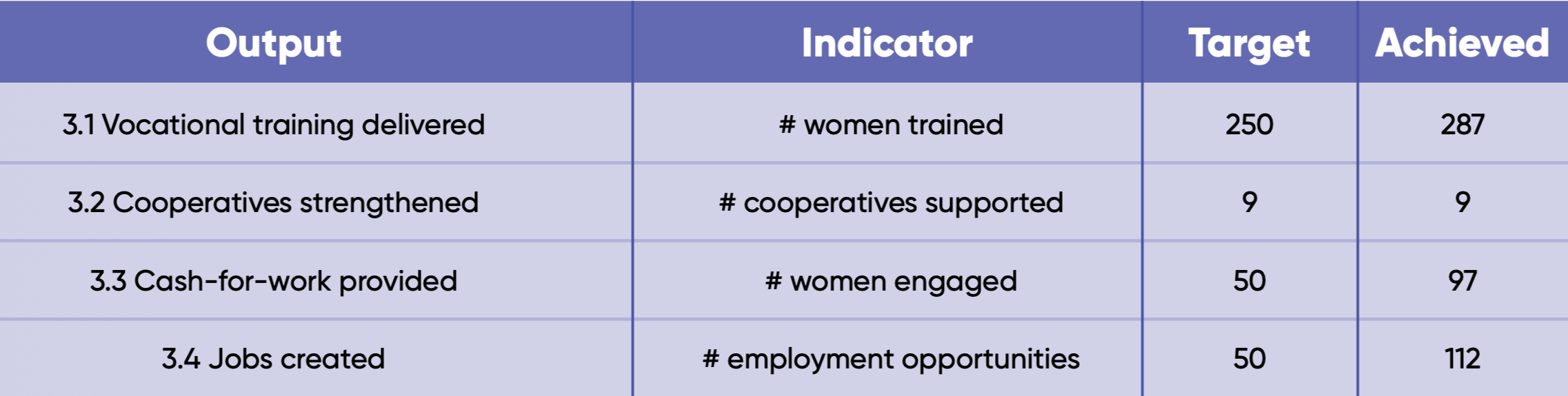
More than 350 individuals benefited from livelihoods and economic recovery activities, supporting income stabilization and self-reliance.
287 women received vocational training linked to food production and income-generating activities.
9 women-led cooperatives strengthened, supporting collective economic resilience.
15 women accessed stable opportunities through LSR’s Social Enterprise Turath SARL.
97+ jobs created through community kitchens, prioritizing war-affected individuals and women facing social vulnerabilities.
Livelihoods & Economic Empowerment Results - 2025
Outputs & Indicators: Result 3 – Livelihoods & Economic Resilience Enhanced
Women and war-affected individuals increase income opportunities and economic self-reliance.
6.4-Youth Empowerment & Social Cohesion
Over 450 young people actively participated in Social Cohesion and leadership initiatives, contributing to social cohesion and community resilience.
450+ youth engaged in volunteering, leadership, and advocacy programs.
23 youth-led community initiatives implemented addressing environmental protection, social cohesion, and local development.
LSR selected as a member of the UNFPA Youth Network.
Active engagement in MenEngage Network, promoting gender equality and positive masculinities.
Participation in the World Family Network, strengthening family and community cohesion.
Outputs & Indicators: Result 4 – Youth Civic Engagement & Social Cohesion Reinforced
Youth actively contribute to community development and social cohesion.

6.5-Community Infrastructure & Post-War Recovery
Communities in South Lebanon benefited from post-war recovery interventions restoring essential services.
Construction of Al Moujtamaa Al Afdal NGO headquarters in Marjaayoun following war-related destruction.
Rehabilitation of the organization’s community kitchen, enabling the resumption of food assistance for displaced and war-affected populations.
Outputs & Indicators: Result 5 – Community Infrastructure Restored
Essential community infrastructure restored in conflict-affected areas.

7-CHALLENGES AND MITIGATION MEASURES
Economic volatility: mitigated through local procurement and flexible planning
Security constraints: mitigated through community coordination and adaptive implementation
High protection needs: addressed through strengthened safeguarding and referral systems
8-LESSONS LEARNED
Community kitchens are effective platforms for both food assistance and livelihoods.
Integrating protection and PSEA across sectors increases trust and safety.
Women-led and youth-supported models enhance sustainability and impact.
9-Conclusion
In 2025, Lebanese Social Responsibility demonstrated the effectiveness of locally led, protection-centered, and accountable humanitarian action. By reaching 92,500+ vulnerable individuals, strengthening food systems, protecting women and children, creating dignified livelihoods, engaging youth, and embedding PSEA across all operations, LSR contributed to safer, more resilient, and more inclusive communities across Lebanon.